Geopolitics: A Key Tool for Multidimensional Leadership
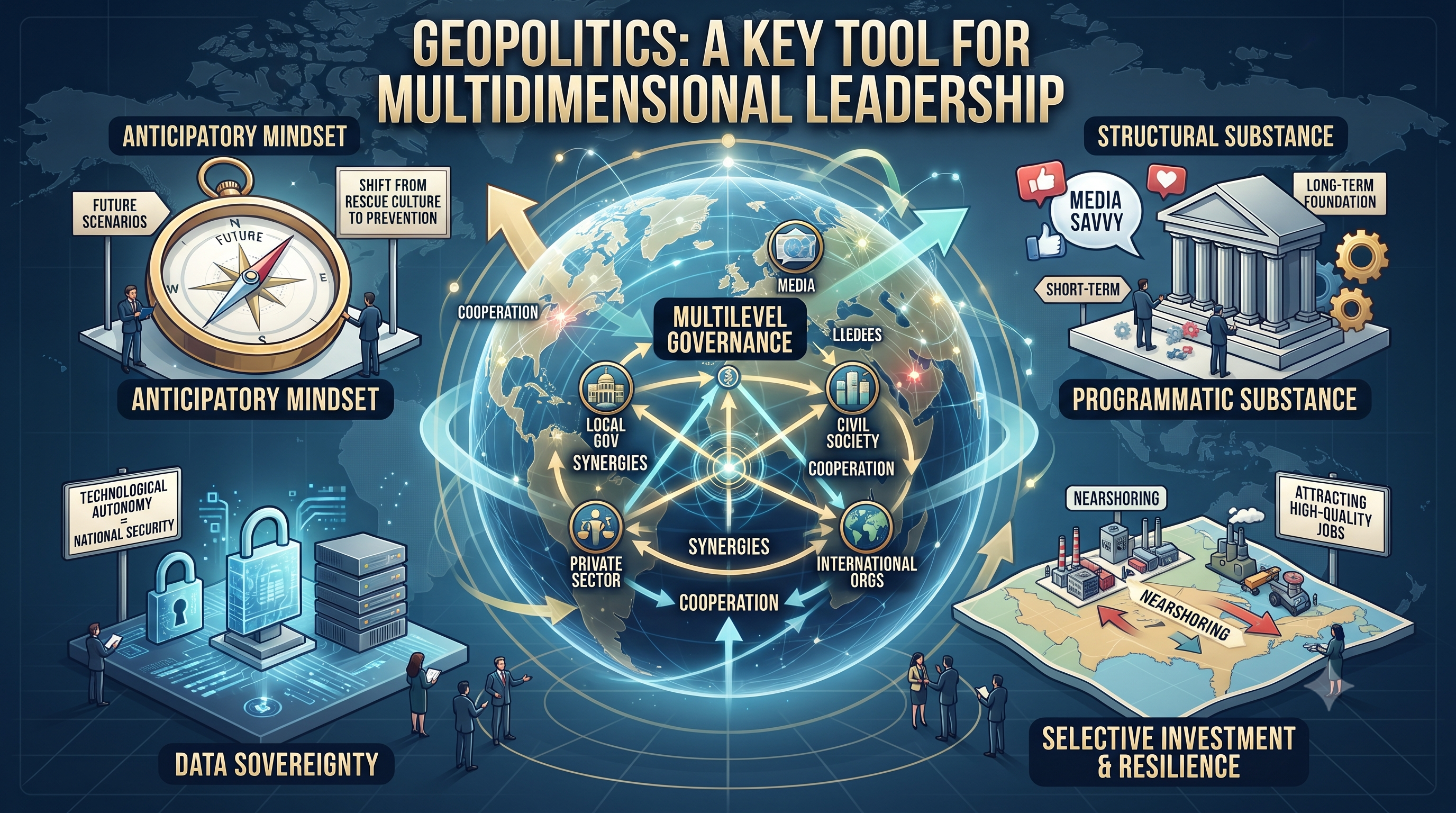
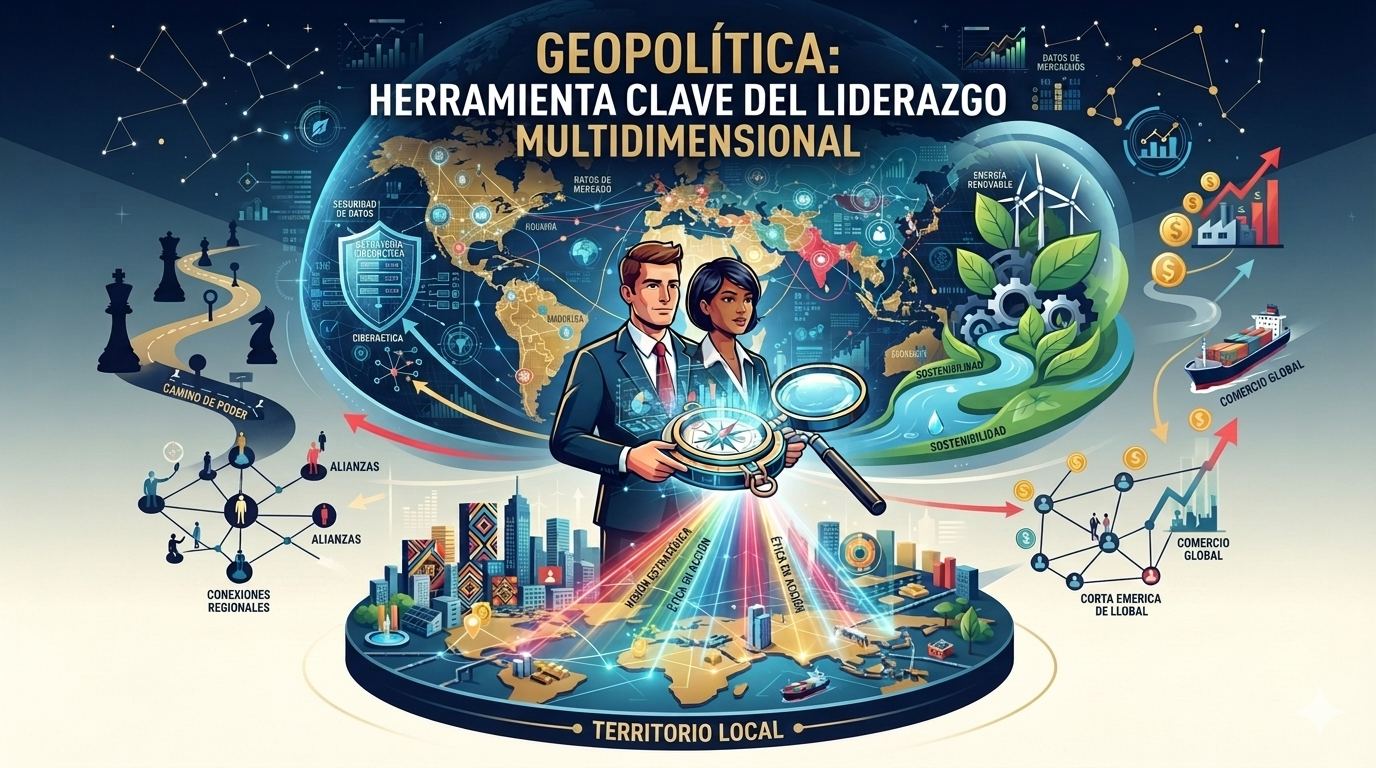
Contemporary public administration faces unprecedented challenges stemming from the obligation to govern local societies exposed to global dynamics. When a mayor, governor, or minister takes office, they often focus on the geographical boundaries of their jurisdiction, mistakenly believing that the solutions to their citizens' problems lie solely within those territorial limits. Conversely, in an interconnected world, all administrative borders are permeable to economic, technological, migratory, and environmental flows that escape the control of traditional criteria of government, governance, and governability. Ignoring these forces weakens the effectiveness of management and leads to reactive actions by those in power, putting out fires instead of shaping the future. This paper is an analytical journey to demonstrate why geopolitical science is not the exclusive domain of diplomats or the military, but rather the fundamental tool for the success of public administration at all levels. Geopolitics is a compass for power in a territory. Understanding the value of this discipline involves stripping it of academic complexities to define it simply. Geopolitics is the study of how geographic space, with all its resources, climates, stratrategic positions, and populations, influences and interacts with political power and government decisions. It is a three-dimensional navigational map for public leaders.